









Tips:
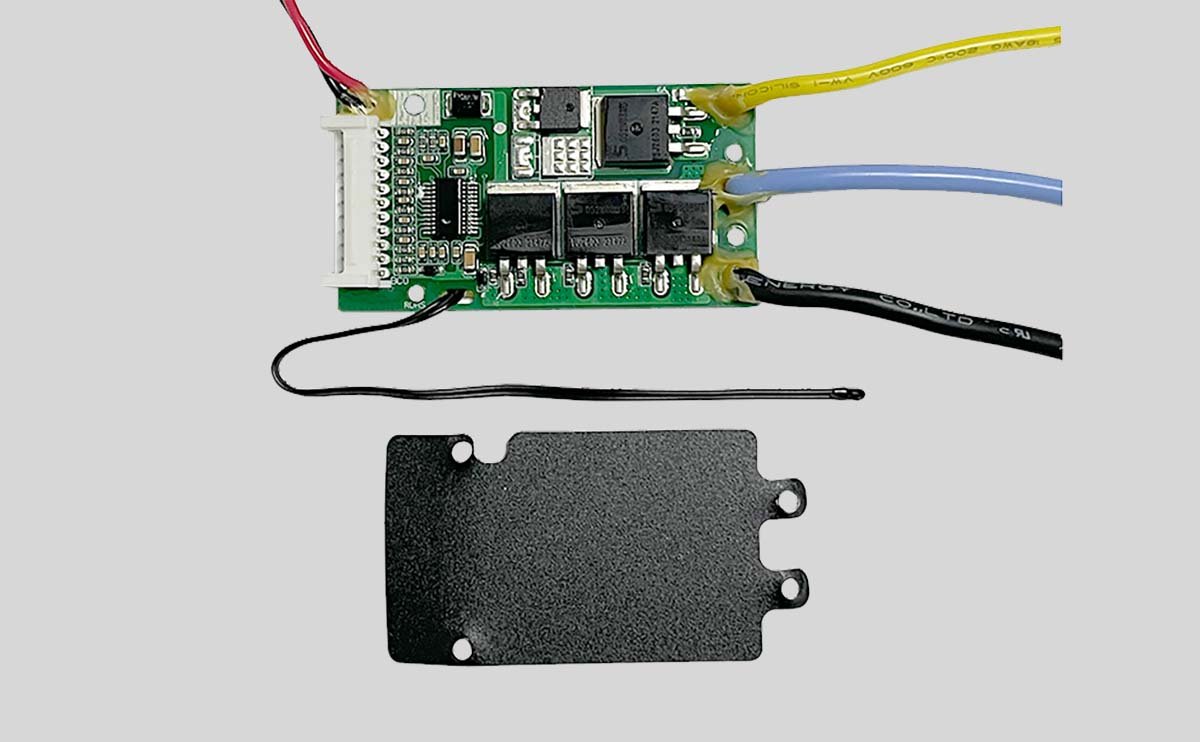
Before installing the protection board, ensure battery compatibility by matching voltages within 0.05V, internal resistance within 5mΩ, and capacities differing by less than 30mAh. Smaller voltage differentials result in better protection board performance.
First parallel, then series connection for batteries, ensuring correct welding.
During installation, use a multimeter to check if each battery’s voltage in series is consistent, with variations not exceeding 0.1V. If experiencing initial power loss or short charging times, it may indicate battery cell issues. Failure to charge despite voltage presence suggests protection board malfunction.
FAQs:
- Why do battery voltages differ from the protection board’s output?
If total battery voltage is higher than the protection board’s output, e.g., 50W vs. 42V, charging may activate MOS transistors. If discrepancies persist, check for wiring faults or low voltage in certain cells.
2. Why can the battery discharge but not charge after connecting the protection board?
If the battery is fully charged or any cell exceeds 4.1V, overcharge protection activates, requiring discharge below 4.0V before recharging. Contact the supplier if issues persist.
3. Can my battery use this BMS?
Consider battery series and material specifications. Match the protection board to the battery’s series and type, e.g., choose a board suitable for lithium iron phosphate or 18650 batteries based on their nominal voltage.
4. How to determine my battery’s material type?
Check the battery’s nominal voltage; lithium iron phosphate typically has a 3.2V rating, while others are around 3.6V or 3.7V. Or you can ask the battery seller for this information.
5. What rating of the BMS protection board should I choose?
Base the selection on motor power or controller current limitations. For instance, select a 15A board for motors under 250W and a 20A or 30A board for higher wattages, ensuring it exceeds the controller’s current limit.
6. Can a 20AH battery use this BMS?
Battery capacity doesn’t directly correlate with current rating. Choose the board based on the motor’s operating current, not just the battery’s capacity.
7. How should charger voltage be set?
Use a dedicated lithium battery charger, setting the voltage to the battery’s series count multiplied by 4.2V. Never use a lead-acid charger to avoid damaging the protection board and battery.